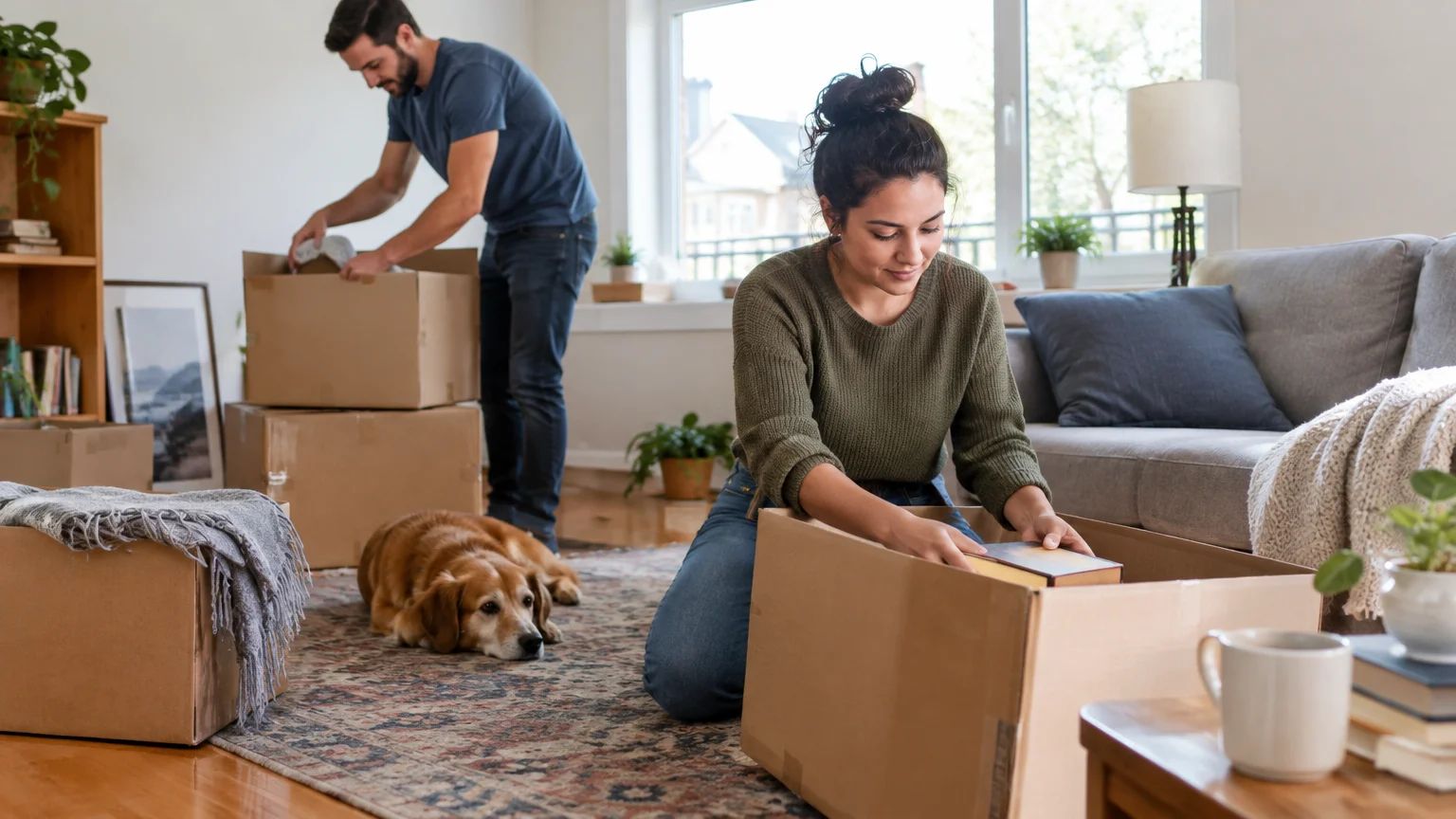
The first week in a new home should focus on safety, comfort, and simple order. Start by checking utilities, alarms, locks, and key rooms. Then unpack daily needs, clear walkways, and inspect your belongings. This plan helps new residents settle in without trying to finish every room at once.
What should you do on the first day in a new home?
The first day should cover safety, comfort, and access to important items. You do not need to open every box. You need a safe place to sleep, wash, eat, and find key papers.
Check utilities, safety features, and essential rooms
First, make sure the power, water, heat, and cooling work. Walk through the home and look for leaks, loose wires, broken locks, or blocked vents. You can test lights, faucets, toilets, smoke alarms, and carbon monoxide alarms yourself.
Next, find the main water shutoff, electrical panel, and heating controls. These spots matter during a leak, power problem, or cold night. If an alarm does not work, replace its batteries or arrange proper service before settling in.
The kitchen, bathroom, and bedroom need early care. Clean the toilet and sink, set out basic toiletries, and make one bed. If children or pets live there, secure loose cords, cleaners, and small items before they explore.
Cheyenne is home to many older homes and newer homes, so each property may need different checks. Take a few minutes to learn how your home works. A safety problem that needs repair is not a good do-it-yourself task.
Keep a first-night box and important documents accessible
A first-night box keeps the evening calm while most boxes stay closed. It should include items such as:
- Bedding, towels, toiletries, and a change of clothes
- Phone chargers, medicines, and basic first-aid supplies
- Paper plates, cups, simple food, and drinking water
- Scissors, tape, light bulbs, trash bags, and cleaning wipes
- Lease papers, closing documents, keys, and moving records
Keep this box in the vehicle or mark it clearly during loading. Cheyenne Wyoming Movers can help Cheyenne homeowners plan packing priorities before moving day. This matters when a busy household needs quick access to daily items. A clear plan also helps renters protect records and return a rental in good condition.
How should you unpack during your first week?
The best unpacking plan starts with rooms that support daily life. Bedrooms, bathrooms, and the kitchen usually come first. Then work through one room at a time instead of opening boxes at random.
Prioritize bedrooms, bathrooms, and the kitchen
A ready bedroom helps everyone rest after a long move. Assemble the bed, place clean sheets nearby, and set up a small area for clothes. The bathroom should have toilet paper, soap, towels, shower items, and basic cleaning supplies.
The kitchen can follow with items used each day. Set out a pan, plates, cups, utensils, coffee or tea supplies, and easy food. You do not need to unpack every serving dish before the home feels useful.
Families may need a different order. A child’s room, pet area, or home office may come before less-used spaces. Business owners moving an office should first set up workstations, internet equipment, and records needed to limit lost work time.
Renters can use this plan with a first apartment checklist. Add keys, lease papers, trash rules, and a note about any marks found during move-in. These small steps can help prevent confusion later.
Create a practical unpacking order for each room
Before opening a box, choose its final room. Boxes marked with room names are easier to sort. Keep heavy items low and near walls. Keep fragile items away from busy paths.
A simple room plan works well:
- Clear a safe path from the door to the room.
- Place large furniture before putting out small items.
- Open boxes with daily-use items next.
- Put each item away instead of making new piles.
- Flatten empty boxes and move packing waste aside.
Professional Packing Services can help households with fragile goods, large homes, or little time. Cheyenne Wyoming Movers serves customers and can help organize a move around the items needed first. Homeowners can also unpack safely on their own when boxes are labeled and lifting stays within their ability.
If furniture is too heavy, awkward, or high on stairs, do not force it. Ask for help or use Furniture Movers. Simple sorting and light unpacking usually do not need a professional, but heavy lifting may.
What should you do with moving boxes and packing materials?
Sort moving boxes as each room becomes clear. Reusable boxes can be saved, passed to someone else, or used for storage. Clean paper and plain cardboard may belong in local recycling. Damaged or dirty materials may need regular trash service.
Separate reusable, recyclable, and damaged materials
Keep strong boxes flat and dry. Remove tape, labels, and loose paper when practical. Small boxes work well for seasonal items. Sturdy large boxes can protect decorations or records in storage.
Some packing items need special care. Bubble wrap, foam sheets, and plastic film are not accepted in every curbside program. Check local recycling rules before placing them in a bin. Paint, cleaners, batteries, and other household chemicals should never go into ordinary cardboard recycling.
Do not keep boxes that smell damp, show mold, or have pests. Seal trash bags and keep them away from food, children, and pets. A clean sorting area keeps clutter from spreading through the home.
Clear pathways and manage packaging safely
Boxes should not block stairs, exits, heaters, electrical panels, or doors. Flatten empty cardboard soon, but keep a few strong boxes until you know what needs storage. Use a cart for heavy loads when possible, and ask for help with bulky items.
Homeowners do not need a professional for normal box sorting. They can fold cardboard, gather paper, and place materials in the right bins. Furniture Movers may help when heavy furniture still needs to move before the last packaging is gone.
A tidy home also makes damage easier to see. Once floors and paths are clear, check walls, doors, furniture, and floors for marks hidden by boxes. Take notes while the details are fresh.
What should you check before your first week is over?
Before the first week ends, inspect belongings, update household details, and make a short list of work that remains. The goal is not a perfect home. The goal is to find problems early and make the next week easier.
Inspect belongings and document any damage
Open boxes with fragile or valuable items first. Compare damage with the condition recorded before the move, if records exist. Take clear photos of broken items, scratched furniture, damaged walls, and torn boxes. Keep photos, moving papers, and written notes together.
A moving claim is a formal request for help with loss or damage linked to a move. The process may depend on the mover’s paperwork and the service selected. Review your documents and report concerns promptly. Do not wait until every box is open.
If a rental unit has a problem, notify the landlord or property manager in writing. If a new home has an unsafe condition, keep repair notes and contact the right contractor. Residential Movers can help with future moving needs, but damage records should stay complete and factual.
Update household details and plan remaining tasks
The first week is a good time to update your address with employers, banks, insurers, schools, medical offices, and subscription services. Check that deliveries, mail, and emergency contacts use the new details. Tenants should review move-in notes and complete any required property forms.
Create one short list for the next month. It may include hanging shelves, arranging storage, returning borrowed equipment, scheduling repairs, or finding a place for extra boxes. Keep urgent safety work at the top. Save cosmetic work for later.
Cheyenne weather can change quickly, so check that doors close well and heating controls are easy to use. This simple review can help you spot a problem before it becomes harder to manage.
Key takeaways
- Check utilities, alarms, locks, and water controls on the first day.
- Keep bedding, medicine, chargers, food, and documents easy to reach.
- Unpack bedrooms, bathrooms, and the kitchen before less-used rooms.
- Sort boxes into reusable, recyclable, and damaged materials.
- Photograph damage and keep moving records together.
Conclusion
The first week in a new home is easier when each day has a small purpose. Safety checks come first, daily rooms come next, and box cleanup follows as space opens. With a calm plan, homeowners, tenants, and business owners can settle in without lifting more than they can safely manage.
Contact us through Cheyenne Wyoming Movers to discuss a moving estimate that fits your needs.
Frequently Asked Questions
What should be unpacked first after moving?
Bedrooms, bathrooms, and the kitchen should come first. These rooms support sleep, hygiene, food, and basic comfort. After that, unpack a home office, child’s room, or pet area based on daily needs. Less-used rooms, decorations, and storage items can wait.
How long does it take to feel settled after moving?
The timeline depends on the home’s size, the number of belongings, and how much help you have. Many people feel more settled once they can sleep, cook, bathe, and move through clear rooms. A simple daily goal works better than trying to finish every box in one session.
What should someone do if an item is damaged during a move?
Take photos of the item, its packaging, and nearby damage. Keep moving documents and write down what happened while details are fresh. Then review the mover’s claim process and report the issue promptly. Tenants should also notify the landlord when the property itself is damaged.
What can homeowners do with extra moving boxes?
Strong boxes can be flattened and saved for storage, passed to neighbors, or reused for later projects. Clean cardboard may go into a local recycling program, but rules differ by area. Plastic wrap, foam, and damaged materials need separate handling. Keep all boxes away from wet areas and clear of exits.
If you are unsure what you are dealing with, have someone look at it before it becomes a bigger job. Cheyenne Wyoming Movers can help you understand the next step for your move.
If you are not sure what you are dealing with, it is worth having someone look at it before it turns into a bigger job. Get in touch with Cheyenne Wyoming Movers today and we will tell you where you stand.