The answer to how long does it take to move depends on your home size, packing needs, access, loading time, travel, and unloading. A small local move may fit into one day. A larger home or long-distance move needs more planning. Good preparation helps Cheyenne Wyoming Movers and local households avoid delays and stress.
Table of Contents
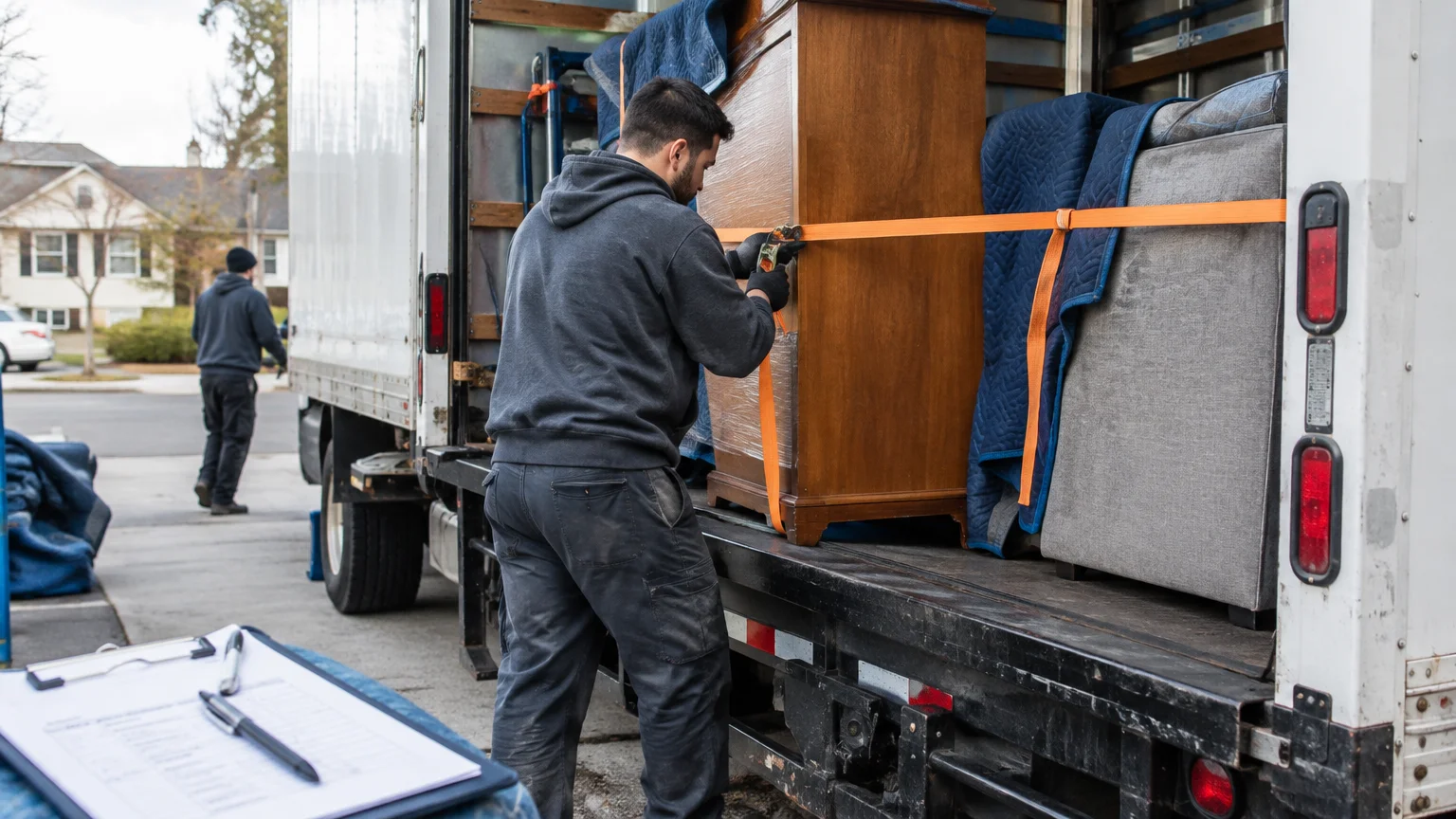
- How long does it take to move?
- How long does it take to pack a home?
- How long does loading a moving truck take?
- How long does it take to drive a moving truck?
- What can make a moving day take longer?
- When should you book a moving truck?
- How can you keep your move on schedule?
- Frequently Asked Questions
How long does it take to move?
A local move often takes most of a day, but the full plan starts before the truck arrives. Packing, sorting, loading, driving, unloading, and setup all take time. A move between nearby homes may finish in one day. A large home, hard access, or a long drive can take several days.
The main factors are the number of rooms, the amount of furniture, and how ready everything is. A home with labeled boxes and clear paths moves faster than one where items still need sorting. Heavy furniture, fragile items, appliances, and outdoor belongings also need extra care.
What determines the moving timeline?
The moving timeline includes more than time on the road. It includes the work before moving day and the tasks after the truck reaches the new home. A useful plan breaks the move into these stages:
- Sorting and donating items that will not move
- Packing boxes and protecting furniture
- Loading the truck or moving container
- Driving to the new home
- Unloading, placing furniture, and checking items
A renter may have a shorter move than a homeowner with a garage, attic, shed, and yard. An office move can take longer when workers must label desks, computers, files, and shared equipment. Building rules may also limit when movers can use an elevator or loading area.
What happens during a typical moving day?
Moving day often begins with a walk-through. The moving team checks the home, the items being moved, and the path to the truck. Furniture may be wrapped before boxes and large items leave each room.
The truck is then loaded by weight, size, and shape. Heavy items usually go low and near the front. Lighter boxes fill open spaces. After loading, the driver checks doors, straps, and the route. At the new home, items are unloaded into the rooms chosen by the household.
How long does it take to pack a home?
Packing can take one day for a small, neat apartment or much longer for a full home. The main factors are the number of belongings, the amount of sorting needed, and whether the household packs each box. Packing Services can help when work, health, or short notice makes self-packing hard.
A common mistake is to count only the time needed to fill boxes. Packing also means buying supplies, choosing what to keep, wrapping fragile items, labeling boxes, and making an open-first box. These small tasks add up in kitchens, garages, closets, and storage areas.
How should packing time be planned?
A steady plan works better than a last-minute rush. Start with items used less often, such as seasonal clothes, decorations, books, spare dishes, and stored equipment. Daily-use items can wait until closer to moving day.
A simple packing order is:
- Sort items and remove things that will not move.
- Pack storage areas and seasonal belongings.
- Pack guest rooms, offices, and spaces used less often.
- Pack most kitchen, bathroom, and bedroom items.
- Keep medicines, clothes, papers, chargers, and toiletries nearby.
What should stay out until moving day?
Keep a small personal kit with the household instead of placing it on the truck. It may include identification, medicine, important papers, snacks, water, chargers, pet items, and basic cleaning supplies. An open-first box can hold toilet paper, soap, towels, a change of clothes, and simple tools.
Label boxes on more than one side. Each label can name the room and describe the contents, such as kitchen, plates or bedroom, linens. Clear labels help the moving team place boxes correctly. They also help the household find needed items without opening every box.
How long does loading a moving truck take?
Loading may take a few hours for a small, ready move and longer for a large home or hard property. The time depends on the number of items, the distance from the door to the truck, the number of helpers, and the furniture protection needed. Loading & Unloading Help can assist people who rent a truck but need safe labor.
Truck size matters, too. A truck that is too small may require rearranging or another trip. A truck that is too large may make it harder to keep items steady. The right choice depends on what you own, not only on the number of rooms.
What affects loading time?
Stairs, long halls, narrow doors, elevators, and limited parking can slow the work. A piano, safe, large appliance, or heavy workbench may need special tools and more planning. Boxes that are not sealed or labeled can also cause delays because each item takes longer to handle.
Weather can affect loading as well. Rain and snow may require floor protection and careful movement. Hot weather can mean more water breaks. Building managers may also set delivery windows that the driver must follow.
How does organized loading prevent delays?
Clear the path from each room to the truck before loading begins. Group boxes by room and mark fragile items. Empty furniture drawers, secure doors, and prepare appliances according to the maker’s instructions.
Loading is more than filling every open space. Items need support so they do not shift during travel. Heavy furniture belongs in stable spots, while soft goods can protect open gaps. A careful load may take longer at first, but it can reduce damage and unloading problems.
How long does it take to drive a moving truck?
Driving time depends on distance, traffic, road conditions, weather, and the truck’s limits. A local move may need only a short drive between homes. A long-distance move needs route planning, rest stops, fuel stops, overnight stays, and safe driving time.
A map estimate is not the full moving schedule. The driver must inspect the truck, secure the load, follow rest rules, and handle stops. Large rental trucks may move slower than a car and may need more room for turns.
How should local and long-distance travel be planned?
For a local move, allow time for loading, traffic, parking, unloading, and a possible second trip. The distance between homes is only one part of the plan. A short route through a busy part of Cheyenne may take longer than a longer route with easy access.
For a long-distance move, divide the route into safe travel days. Include a backup plan for storms, road work, truck problems, and delays at either home. Households moving across state lines may also need to check building rules and delivery access.
Why do breaks, traffic, and truck limits matter?
A driver should not treat a moving truck like a small car. Safe speed, wide turns, stopping distance, and careful parking all affect travel time. Breaks help the driver stay alert. Rushed driving can put people and belongings at risk.
Traffic near cities can change during the day. Construction, storms, steep roads, and crowded fuel stations can add time. A flexible schedule gives the driver room to handle these problems without turning a small delay into a major issue.
What can make a moving day take longer?
Common delays come from poor access, unfinished packing, missing keys, parking problems, and items left out of the plan. Moving day can also slow down when a household changes the load after the truck arrives. Clear details before the move help everyone prepare.
A home may seem easy to reach until the team finds a narrow doorway, broken elevator, long walk from parking, or stairs at the destination. Apartment Movers often plan around these issues. Apartment moves may involve loading docks, elevator bookings, and building protection rules.
What delays can happen inside the home?
Loose items, open boxes, and crowded rooms make carrying harder. Clear walkways before the team arrives. Keep pets and young children in a safe area. Important papers and personal items should travel with the household when possible.
Large furniture may not fit through the planned exit. Measure doorways, halls, stair turns, and elevators ahead of time. Do the same check at the new home, especially for a sofa, bed frame, piano, or large appliance.
How can access issues be handled?
Confirm parking rules, elevator times, loading zones, gate codes, and building contacts before moving day. If a moving container is involved, its placement area must be legal, level, and easy to reach. Property owners or local offices may have rules about where a container can sit.
A written access plan should include both addresses, property manager details, and a backup parking option. Share this information with the moving team or rental company. When access is tight, Loading & Unloading Help can reduce strain and improve the flow of the day.
When should you book a moving truck?
Reserve a moving truck as soon as the move date is fairly sure. Demand often rises during summer, school breaks, weekends, and the start or end of a month. Early planning gives you more choices for truck size, pickup time, equipment, and travel dates.
The best timing also depends on the move. A small local move may have more flexibility than a long-distance move with a set delivery plan. Business owners may need to work around leases, workers, customers, and times when downtime would cause problems.
How far ahead should a truck be reserved?
Start checking availability several weeks before a flexible local move. Busy seasons and long-distance moves often need more lead time. Earlier planning makes it easier to arrange packing, time off, building access, and utility changes.
Match the rental reservation to the real load as closely as possible. Ask what the rental includes, such as blankets, a ramp, a hand truck, mileage terms, fuel needs, and roadside support. A truck rental usually does not include packing, carrying, furniture protection, or full-service loading unless those services are arranged separately.
How does the move date affect planning?
A weekday may be easier for building access and scheduling. A weekend may work better for work and school routines. The best date gives the household enough time to pack and provides a safe travel window.
Avoid stacking too many deadlines together. A lease ending, closing date, utility transfer, truck pickup, and delivery appointment should not all depend on a narrow time window. Some flexibility helps when weather or access problems arise.
How can you keep your move on schedule?
The best way to keep a move on schedule is to plan backward from moving day. Set dates for sorting, packing, truck booking, access checks, and final cleaning. Give each task to one person who can check that it is done.
Cheyenne Wyoming Movers can help homeowners, tenants, and business owners decide if they need packing, moving labor, transport planning, or a full moving service. Local knowledge can also help with apartment access, busy streets, parking limits, and travel across Cheyenne, including Orchard Valley, Downtown Cheyenne, Warren Air Force Base, South Greeley, Fox Farm–College, Ranchettes, and nearby areas.
What should happen in the weeks before moving day?
A simple timeline can keep the work manageable:
- Several weeks before: choose the date, reserve the truck, and start sorting.
- Two to three weeks before: pack storage areas, order supplies, and confirm building rules.
- One week before: pack most rooms, confirm access, and prepare an open-first box.
- The day before: finish daily-use items, charge devices, protect floors, and check the route.
- Moving day: keep papers and essentials nearby, clear paths, and review the load plan.
Keep the timeline flexible. A large home, busy office, or fragile collection may need more time. Moving companies can handle more physical work. A self-drive plan may need extra help with loading and unloading.
Key takeaways for estimating total moving time
- The full move includes preparation, not only truck travel.
- Packing and sorting often take longer than expected.
- Access, furniture size, traffic, weather, and truck limits can change the schedule.
- Clear paths, strong boxes, good labels, and a balanced load help prevent damage.
- A realistic plan leaves room for breaks and small delays.
Conclusion
There is no single answer to how long does it take to move. A small local move may finish in one day, while a larger or long-distance move may take much longer. Pack early, choose the right truck, confirm access, and allow time for safe travel.
Contact us to request a moving quote from Cheyenne Wyoming Movers for your plans.