The best time to start planning when to transfer utilities when moving is several weeks before moving day. Contact each provider early, confirm shutoff and start dates, and save every confirmation. This helps prevent dark rooms, lost internet, spoiled food, and delays at either home.
Utility planning is a small task with a big effect on the day of moving. A home needs light, water, heat, cooling, and internet. An office may also need phone lines, alarms, access systems, and network service.
The right timing depends on the move, the provider, and the property. Rural service may need more planning than city service. A same-day move also needs careful timing because the old and new homes may overlap.
Table of Contents
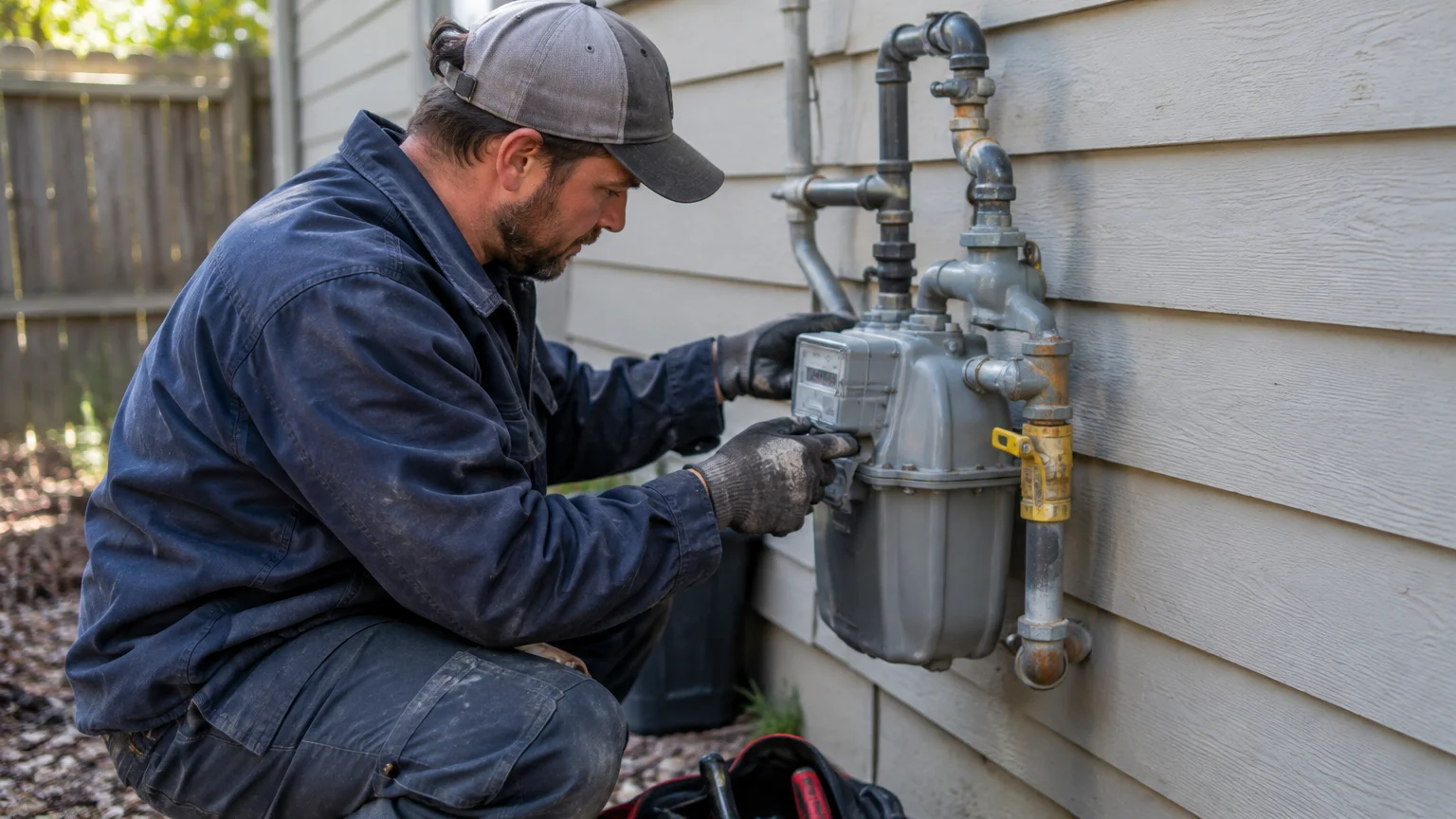
- When should you transfer utilities before moving?
- Which utilities should you transfer when moving?
- How do you schedule utility shutoff at your old home?
- How do you start utilities at your new home?
- What information do utility companies need for a transfer?
- What should renters and homeowners know about utility transfers?
- How should you handle utilities during a same-day move?
- How do you transfer utilities for an office or business move?
- What should you check after utilities are transferred?
- What moving-day checklist keeps utility details organized?
- Frequently Asked Questions
When should you transfer utilities before moving?
Most households should begin utility planning several weeks before moving day. The needed lead time depends on the provider, address, and service. Some providers need a worker to visit the property. Starting early gives you time to fix address errors, provide documents, or select another service date.
A practical timeline for starting utility transfers
A simple timeline makes this work easier. First, list every service at the old address. Then mark each service as one to move, end, or start again. Your list may include power, gas, water, sewer, trash, recycling, internet, phone, and security monitoring.
About two to four weeks before the move, contact providers for the new address. Ask if service is active, which date you can choose, and whether an adult must be present. Internet and security visits may need more planning because appointments can fill quickly.
About one to two weeks before moving day, confirm every date. Save emails, confirmation numbers, account names, and provider instructions together. Check again a few days before the move. This can catch a missed request or wrong address.
Why your move-in and move-out dates matter
The closing date, lease dates, possession time, and moving date may all differ. A buyer may receive keys in the afternoon. A tenant may have access to a new apartment before the old lease ends. These details affect when services should start and stop.
It is often safer to keep needed services active at the old home until the move is done. Electricity and water help with cleaning, loading, and the final check. At the new home, service should start before movers arrive when possible.
Cheyenne Wyoming Movers can help Cheyenne households plan around access times, loading needs, and travel time. A clear handoff is better than a rushed call after the truck arrives.
Which utilities should you transfer when moving?
Your utility transfer list should cover every service tied to the home or household. Some services follow the customer. Others must close at the old address and open at the new one. A different company may serve the new area.
Electricity, gas, water, and sewer services
Electricity is often the first service to arrange. It powers lights, appliances, heating, cooling, and some security systems. Gas may power a furnace, stove, water heater, or fireplace. Water and sewer may be managed by a city, county, landlord, or private provider.
Ask whether the new home has active service. If it is off, the provider may need access to the meter or property. Some utilities need an inspection before gas or other equipment is turned on. Never turn a gas valve or repair utility equipment without proper training.
Water service may also need a final meter reading. In some places, the seller, buyer, landlord, or property manager handles this step. The person responsible can change based on local rules and the housing contract.
Internet, phone, trash, and recycling services
Internet service may transfer only when the provider serves both addresses. The new home may need an appointment, modem setup, or equipment return. Anyone working from home should plan a backup connection during the change.
Phone service can include a home line, mobile plan, business line, or voice system. Trash and recycling often follow the property instead of the resident. Still, confirm who serves the new address and when bins will arrive.
A moving checklist for an apartment may include rules for trash rooms, elevators, and loading areas. An office moving checklist should include network service, mail, printers, and access systems. Give each task a person and a due date.
How do you schedule utility shutoff at your old home?
The shutoff date should match the time when you no longer need the old home. For many moves, that is after loading, cleaning, the final walkthrough, and key return. Ending service too soon can make these tasks harder.
Choosing the final service date
The right date depends on the lease, sale agreement, and provider rules. Tenants should check the lease before choosing a final date. Homeowners should review closing instructions and confirm when responsibility changes.
Some services end on a selected date. Others end when a new resident starts service. Ask the provider how the request works. Also ask whether service ends at the start or end of that day.
For a long-distance move, travel time matters. The old home may need power and water after the truck leaves. The new home may need service before the family arrives. These dates do not always need to match.
Recording final meter readings and account details
Take clear photos of power, gas, and water meters when allowed. Record the date and time. Do not enter a fenced area, open a locked panel, or handle equipment controlled by the provider.
Keep the final bill, confirmation message, account number, and forwarding address. A final bill may arrive after the move. The provider may also send a refund or request more information about closing the account.
Do not assume a phone call completed the request. Ask for written confirmation when available. If the provider has an online account, check its status before leaving the old home.
How do you start utilities at your new home?
New service should be active before your household or movers need the property. The start date should allow time for lights, temperature control, water use, and cleaning. Even an empty home may need service to protect the building.
Confirming service availability and activation requirements
Use contact details from the provider’s official site or closing papers. Confirm the exact address, unit number, ZIP code, and requested start date. A small address mistake can send a worker to the wrong property.
Ask whether an appointment is needed. Internet installation, gas activation, and some rural services may need a visit. Ask what must be accessible and whether an adult must stay home.
Power, gas, and water should be active before large appliances or plumbing fixtures are used. Do not test an appliance if the connection looks damaged. The provider or a qualified worker should handle unsafe conditions.
Planning for homes with existing or disconnected services
A home may have active service under the prior resident’s name. That does not always mean a new resident can use it without opening an account. The provider can explain whether you need a transfer, new account, or change of responsibility.
If service is off, the provider may need an appointment or proof of ownership. A landlord or property manager may need to approve access. In an apartment, building management may control water, trash, or heat.
Ask who handles repairs. Utility companies usually handle their lines and meters. The owner may handle wiring, plumbing, appliances, or equipment inside the home. Knowing this difference helps you call the right person.
What information do utility companies need for a transfer?
Providers often ask for the service address, requested dates, account details, and customer identification. The needed information varies by company and service. Preparing it first makes the call easier and helps prevent errors.
Account, address, and identification details
The old account number can help find an existing service. The new address should include the street number, unit, city, state, and ZIP code. A provider may also ask for a separate mailing address.
Identification may include a driver’s license, another accepted document, or a verification question. A business may need its legal name, tax details, or an approved contact. The account holder should make the request when possible.
A moving folder can hold leases, closing papers, provider emails, meter photos, and confirmation numbers. Digital copies help, but keep key files available without internet access.
Permissions and property-specific requirements
Some providers ask for proof of identity. Requirements can depend on local policy, service type, or account history. Ask about these needs before opening the account.
A tenant may need permission from a landlord or property manager. A business tenant may need approval to install lines, mount equipment, or schedule a visit. Do not promise access before checking building rules.
For a rural home, ask about a private well, septic system, propane tank, or local waste service. These systems may not work like city utilities. The owner, landlord, or county office can explain who manages each one.
What should renters and homeowners know about utility transfers?
Utility responsibility depends on the lease, purchase agreement, local practice, and service type. Renters should read the lease. Buyers and sellers should review closing documents. A property manager can explain services included with rent or building fees.
Responsibilities for tenants, landlords, and property managers
A tenant may arrange electricity and internet while the landlord handles water, sewer, trash, or heat. Another rental may place most services in the tenant’s name. The lease should list each duty and the needed move-out notice.
Before leaving, ask how to return equipment, keys, bins, and access devices. Internet equipment left behind may cause a later charge or delay. Give a forwarding address for final notices.
A landlord may keep service active between tenants. This helps protect the property and supports cleaning or repairs. The landlord should give the next resident clear instructions instead of assuming the old account will transfer.
Utility arrangements when buying or selling a home
A buyer and seller should not rely on guesses. The closing agent, real estate professional, or utility provider can confirm when responsibility changes. A seller should record final readings, while a buyer should arrange service before possession.
A home sale may involve well water, septic service, propane, solar equipment, or a homeowners association. These systems need separate questions. The buyer should learn who maintains them and which equipment stays with the property.
When dates are unclear, written confirmation matters. It gives both parties a shared record and helps prevent a home from sitting without needed service.
How should you handle utilities during a same-day move?
A same-day move needs overlapping plans, not one rushed switch. The old home should stay usable through loading and final checks. The new home should have basic service before movers arrive. Allow time for traffic, elevator delays, weather, and key handoffs.
Avoiding gaps between shutting off and starting service
The safest plan is to arrange new service first and end old service later. Power, water, heating, cooling, and internet may not start together. Identify which services matter most when you arrive.
If the provider cannot meet the planned start date, ask about another appointment. A portable light, charged phone, and basic supplies can help during a short delay. They cannot replace safe utility service.
Professional movers may load or unload while service plans are in progress. Loading & Unloading Help can support a move when you need help with heavy items, containers, or a tight schedule.
Preparing for delays, early access, or overlapping dates
Early access can change the plan. If keys arrive sooner than expected, do not assume utilities are ready. Check lights, faucets, temperature, and outlets before furniture enters.
A late closing or delayed truck can also affect the schedule. Keep provider confirmations, building contacts, and moving papers together. A clear plan helps Cheyenne Wyoming Movers work with Cheyenne movers when the day changes.
A same-day or last-minute move may need extra planning. Same-Day & Last-Minute Movers can help when a cancellation, lease deadline, or sudden change leaves little time.
How do you transfer utilities for an office or business move?
An office move needs utility planning tied to daily work. Identify what must work before staff arrive and what can wait. A short service gap can stop sales, calls, deliveries, security, or customer support.
Coordinating service changes with business operations
The office manager should make a service list with one owner for each task. It may include power, internet, phone systems, water, heat, cooling, waste pickup, alarms, access control, and elevators.
Schedule the new location before disconnecting the old one. Internet installation may need a site visit, equipment setup, network testing, and building approval. Staff should know where to report if the move takes more than one day.
A commercial move may also involve records, furniture, equipment, and private files. Commercial & Office Movers can help reduce downtime by planning loading, transport, and placement around business needs.
Protecting internet, security, and essential systems
Test internet service before employees depend on it. Check phones, payment tools, printers, cameras, alarms, access cards, and backup systems. The IT lead should save network details and recovery information.
Security services need special care. An alarm provider may need an approved contact, test window, or change to the protected address. Do not leave the old location unprotected without approval.
A backup plan may include mobile hotspots, paper records, alternate contact methods, and a temporary workspace. The right plan depends on the business and the length of the move.
What should you check after utilities are transferred?
After the move, confirm that each service works at the new address and that old accounts closed correctly. Do not rely only on an email. A quick physical check can find problems early.

Confirming service at both addresses
At the new home, test lights, outlets, heating or cooling, water flow, hot water, internet, and included services. Check that appliances are connected safely. Look for leaks, odd smells, damaged cords, or other hazards.
At the old home, confirm that the requested shutoff happened. Take final meter photos when appropriate. Check that no personal equipment, router, modem, or utility papers remain.
Leave dangerous conditions alone. A gas smell, sparking outlet, exposed wire, or major leak needs urgent help from the utility provider or a qualified worker. Keep children and pets away.
Reviewing final bills, refunds, and account closures
Review the final bill when it arrives. Check the service address, final reading, closing date, and account name. Keep records until the account is settled and any expected refund arrives.
If a bill looks wrong, contact the provider and share your confirmation details. A written move-out date and meter reading can help fix a mistake. The same applies to returned equipment or a disputed closure.
Update your mailing address for banks, insurers, government offices, subscriptions, and medical offices. Utility transfers are only one part of a complete change address when moving checklist.
What moving-day checklist keeps utility details organized?
A moving-day utility checklist should keep dates, documents, access details, and provider contacts together. Print it or save it on a phone. Keep it with the person managing the move, not inside a packed box.
Documents and confirmations to keep together
A useful folder may include:
- Old and new service addresses, including unit numbers
- Shutoff and start dates for every provider
- Confirmation emails, account numbers, and appointment windows
- Meter photos and final reading notes
- Lease, closing, landlord, or property manager instructions
- Equipment return details for internet or security services
- Names of people responsible for each business utility
Check off each service after confirmation. A second person can review the list before the truck leaves. This simple step can catch a missed provider or wrong date.
How Cheyenne Wyoming Movers can help Cheyenne movers stay on schedule
Moving help can reduce physical work while the household handles utility calls, key handoffs, and final checks. Professional movers can assist with packing, loading, transport, unloading, and careful placement of furniture. They can also help the move follow a planned order.
Cheyenne Wyoming Movers serves customers in the main Cheyenne area and nearby communities. These include Orchard Valley, Downtown Cheyenne, Warren Air Force Base, South Greeley, Fox Farm–College, and Ranchettes. A clear plan helps the crew work safely around utility visits, building rules, and access times.
Frequently Asked Questions
When should someone schedule internet service at a new home?
Schedule internet service as soon as the move-in date is known. Some providers can switch service quickly, while others need an installation visit. Confirm service at the new address, return old equipment when needed, and plan a backup connection for work or school.
Should utilities stay on during the move?
Usually, needed utilities should stay active at the old home until loading, cleaning, and the final inspection are done. Service at the new home should start before arrival when possible. The right dates depend on the lease, closing papers, provider rules, and key handoff time.
What happens if the new home has no electricity?
Contact the electric provider and confirm the service address and start date. If power is disconnected, an appointment may be needed. Do not touch damaged wires, meters, or panels. A landlord, seller, or property manager may also need to help.
Can utilities be transferred on a weekend?
Some providers accept requests online at any time, but service changes and worker visits may follow business schedules. Ask about weekend activation before choosing a move date. Starting early gives you time to handle a missed visit or address problem.
Does a moving company transfer utilities for the customer?
Moving companies usually handle the physical move, not utility accounts. The customer remains responsible for contacting providers, choosing dates, and confirming service. A moving crew can still work around utility appointments during loading, transport, and unloading.
Key takeaways
- Start utility planning several weeks before moving day.
- Arrange service at the new home before ending needed service at the old one.
- Confirm every address, date, appointment, and account closure in writing.
- Keep meter photos, provider messages, and moving papers together.
- Check utilities at both homes before finishing the move.
Conclusion
Knowing when to transfer utilities when moving helps prevent avoidable delays. Arrange new service early, keep old service active through final tasks, and confirm every request in writing. Renters, homeowners, and business owners should also check leases, closing papers, and building rules.
A simple folder, clear dates, and one final review can make utility planning easier. Contact us to discuss moving help for a local, long-distance, apartment, or office move.